
Understanding the Differences Between Electric Pressure Cookers and Stove Tops
When it comes to cooking methods, electric pressure cookers and stovetop pressure cookers each offer unique advantages. Electric pressure cookers provide convenience and ease, while stovetop models often deliver faster cooking times and more control over the pressure and heat levels.
Disclosure: As an Amazon Associate I earn from qualifying purchases.

- The pressure cooker is designed to cook your meals up to 70% faster than traditional met…
- Ideal for preparing moderate-sized meals, offering efficiency in cooking beans, soups, c…
- Crafted from heavy-gauge aluminum alloy, this aluminum pressure cooker ensures rapid and…
Choosing between these two options largely depends on your cooking style, the types of meals you prepare, and the space available in your kitchen. This guide will explore the differences between electric pressure cookers and stovetop pressure cookers, helping you make an informed decision.
Why This Matters
Understanding the differences between electric pressure cookers and stovetop models is crucial for maximizing your cooking efficiency and achieving the best results. Each type brings its own set of features that can significantly impact meal preparation time, flavor retention, and overall cooking experience.
As kitchen technology evolves, knowing which appliance suits your needs can help you save time, energy, and even enhance the nutritional value of your meals. This knowledge can lead to better meal planning and a more enjoyable cooking experience.
Key Benefits
Electric pressure cookers are known for their ease of use. With pre-set cooking programs and automatic pressure control, they require minimal supervision. This allows you to multitask while your meal cooks, making them ideal for busy lifestyles.
On the other hand, stovetop pressure cookers, like the Barton 6.0 Quart Pressure Cooker, are typically faster at building pressure and cooking meals. They offer better heat control, allowing chefs to adjust the temperature as needed for different recipes. Additionally, they can be used on various heat sources, including gas stoves and induction cooktops.
Common Drawbacks & Limitations
- The pressure cooker is designed to cook your meals up to 70% faster than traditional met…
- Ideal for preparing moderate-sized meals, offering efficiency in cooking beans, soups, c…
- Crafted from heavy-gauge aluminum alloy, this aluminum pressure cooker ensures rapid and…
While electric pressure cookers are user-friendly, they can be limited in terms of cooking capacity and versatility. Some models may not perform well for browning or sautéing, which can be crucial for developing flavors in certain dishes.
Stovetop pressure cookers, although quicker, require more attention and monitoring. They also may not have the same safety features as electric models, making them less suitable for novice cooks. Moreover, they can take up more space on the stovetop and may not be as convenient for quick meals.
What to Look For (Buyer’s Checklist)
When choosing between electric and stovetop pressure cookers, consider the following factors:
- Cooking Capacity: Ensure the cooker can handle the size of meals you typically prepare.
- Ease of Use: Look for features like pre-set programs in electric models or user-friendly locking mechanisms in stovetop units.
- Safety Features: Check for pressure release valves and locking lids to prevent accidents.
- Material: Opt for durable materials like stainless steel or heavy-gauge aluminum for longevity.
- Compatibility: If you have specific heat sources, ensure the cooker is compatible with them.
How to Choose for Your Situation
Your choice between an electric pressure cooker and a stovetop model should align with your cooking habits and kitchen setup. If you often prepare meals on a tight schedule and appreciate convenience, an electric pressure cooker may be the right fit.
Conversely, if you enjoy cooking with more control and need a faster cooking time, a stovetop pressure cooker like the WantJoin Pressure Cooker could be ideal. Consider your kitchen space, cooking style, and the types of dishes you frequently prepare.
Care, Safety, and Longevity Tips
To ensure the longevity and safety of your pressure cooker, follow these care tips:
- Regularly inspect the sealing ring for wear and tear, replacing it as needed.
- Clean the cooker thoroughly after each use, especially the pressure release valve, to prevent clogs.
- Follow the manufacturer’s instructions for safe operation, including proper pressure release methods.
- Store the cooker in a dry place to prevent moisture buildup.
Recommended Picks
If you are leaning towards an electric pressure cooker, models like the Barton Pressure Canner offer advanced technology for efficient cooking and safety features. For stovetop options, the DOITOOL 4.2 Quart Aluminum Pressure Cooker is a great choice, providing versatility and rapid heating capabilities.
Both types of cookers come with unique benefits, so consider what features are most important to you, such as cooking speed, ease of use, and safety mechanisms.
FAQ
- Can I use a stovetop pressure cooker on an electric range? Yes, most stovetop pressure cookers are compatible with electric ranges, gas stoves, and induction cooktops.
- Are electric pressure cookers safe? Yes, electric pressure cookers come with multiple safety features, including automatic pressure control and locking lids.
- How long does it take to cook food in a stovetop pressure cooker? Cooking times vary, but stovetop pressure cookers can typically cook meals 50% faster than conventional methods.
- Can I sauté food in an electric pressure cooker? Many electric pressure cookers have a sauté function, allowing you to brown ingredients before pressure cooking.
- What types of meals can I prepare? Both types of pressure cookers are great for soups, stews, beans, and even desserts. Stovetop models may offer more versatility in cooking techniques.
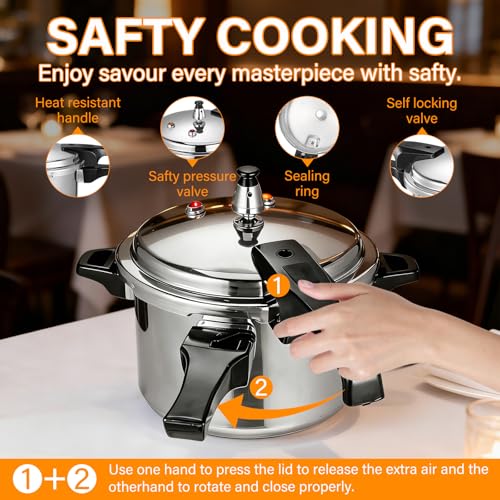
- 【ULTRA-FAST COOKING EFFICIENCY】Save up to 70% of your kitchen time with this high-perfor…
- 【COOKING CAPACITY 4.2QT】Designed with a 4.2 Quart (4L) volume, this small pressure cooke…
- 【SAFETY-FIRST CONSTRUCTION】Engineered for a worry-free experience, our pressure pot feat…
Conclusion
Choosing between an electric pressure cooker and a stovetop model ultimately comes down to your personal cooking preferences and lifestyle. Electric pressure cookers offer convenience and ease, while stovetop models provide faster cooking times and greater control.
By understanding the key differences, benefits, and limitations of each, you can select the best option for your kitchen. Whether you prioritize speed, safety, or versatility, both types of pressure cookers can elevate your cooking experience.
Popular Picks to Compare
- The pressure cooker is designed to cook your meals up to 70% faster than traditional met…
- Ideal for preparing moderate-sized meals, offering efficiency in cooking beans, soups, c…
- Crafted from heavy-gauge aluminum alloy, this aluminum pressure cooker ensures rapid and…

- 【ULTRA-FAST COOKING EFFICIENCY】Save up to 70% of your kitchen time with this high-perfor…
- 【COOKING CAPACITY 4.2QT】Designed with a 4.2 Quart (4L) volume, this small pressure cooke…
- 【SAFETY-FIRST CONSTRUCTION】Engineered for a worry-free experience, our pressure pot feat…

- 50 % FASTER THAN NORMAL COOKING: 11.6 PSI balanced pressure-cooking speeds up the stewin…
- SAFE & DURABLE: The pressure cooker equips multiple safety struction: pressure indicator…
- STEEL MULTI LAYER BASE: U shaped cooking area distributes heat evenly and faster heat tr…

- 50 % FASTER THAN NORMAL COOKING: 11.6 PSI balanced pressure-cooking speeds up the stewin…
- SAFE & DURABLE: The pressure cooker equips multiple safety struction: pressure indicator…
- STEEL MULTI LAYER BASE: U shaped cooking area distributes heat evenly and faster heat tr…

- Barton pressure cooker is designed to cook your meals up to 70% faster than traditional …
- Crafted from heavy-gauge aluminum alloy, this aluminum pressure cooker ensures rapid and…
- Ideal for preparing moderate-sized meals, offering efficiency in cooking beans, soups, c…