
Electric Pressure Cooker vs Stovetop: Which is Right for You?
When it comes to cooking meals quickly and efficiently, both electric pressure cookers and stovetop models offer unique advantages. Electric pressure cookers are known for their convenience and ease of use, while stovetop pressure cookers are often favored for their traditional approach and quicker heat-up times.
Disclosure: As an Amazon Associate I earn from qualifying purchases.

Choosing between these two options depends on your cooking style, the types of meals you prepare, and how much control you want over the cooking process. Each type has its own strengths and limitations, making it essential to understand their differences to find the right fit for your kitchen needs.
Why This Matters
The choice between an electric pressure cooker and a stovetop model can significantly impact your cooking experience. Understanding their differences helps you make an informed decision that aligns with your lifestyle and culinary preferences. Whether you’re a busy parent looking for quick meals or a cooking enthusiast who enjoys the art of pressure cooking, the right appliance can enhance your kitchen efficiency.
Key Benefits
Electric pressure cookers are incredibly user-friendly. They often come with pre-set cooking programs, allowing you to simply add ingredients, select a setting, and walk away. This makes them ideal for busy individuals who may not have time to monitor their cooking closely.
On the other hand, stovetop pressure cookers are typically faster when it comes to reaching pressure. They allow for more precise control over heat levels, which can be beneficial for recipes requiring careful heat management. Additionally, many cooks appreciate the traditional feel of using a stovetop model.
Common Drawbacks & Limitations
Electric pressure cookers can be limited by their capacity and the time it takes to heat up. While they do offer convenience, they may not be as effective for larger meals or when cooking for a crowd. Some models may also take longer to release pressure, which can delay meal preparation.
Stovetop pressure cookers, while often faster, require more hands-on attention. Users need to monitor the pressure and adjust heat levels manually, which may not be ideal for those seeking a more automated cooking experience. Additionally, they can be heavier and less user-friendly for novice cooks.
What to Look For (Buyer’s Checklist)
When deciding between electric and stovetop pressure cookers, consider the following factors:
- Capacity: Determine how much food you typically cook at once. Larger families may benefit from bigger models.
- Cooking Functions: Look for features like pre-set programs in electric cookers or versatile cooking options in stovetop models.
- Safety Features: Ensure that the cooker has adequate safety mechanisms, especially for stovetop models.
- Ease of Cleaning: Check if parts are dishwasher safe or if the materials are easy to clean.
- Durability: Consider the build quality and materials used, as they affect longevity and performance.
How to Choose for Your Situation
Think about your cooking habits and preferences. If you often cook for a large family or enjoy meal prepping, a stovetop model might suit you better due to its efficiency. However, if convenience and ease of use are your priorities, an electric pressure cooker is likely the right choice.
Additionally, consider your kitchen space. Electric pressure cookers often require less stovetop space, while stovetop models can be stored away easily when not in use. Evaluate your lifestyle and cooking style to determine the best fit.
Care, Safety, and Longevity Tips
To ensure your pressure cooker lasts, proper care is essential. Always follow the manufacturer’s instructions for use and maintenance. Regularly check seals and valves for wear and tear, and clean your cooker thoroughly after each use to prevent residue buildup.
For safety, never overfill your pressure cooker and always use it according to recommended guidelines. Pay attention to the pressure release methods, as they vary between electric and stovetop models. Adhering to safety protocols can prevent accidents and prolong the life of your cooker.
Recommended Picks
When it comes to electric pressure cookers, models like Everyday Pressure Cooking and Pressure Cooker Cookbook provide a variety of recipes that cater to both electric and stovetop users. They offer a great starting point for those looking to explore pressure cooking.
For stovetop options, the Barton 8QT Pressure Canner and the MegaChef 24 Quart Large Capacity Aluminum Stovetop Pressure Cooker are excellent choices. They are designed for versatility and efficiency, making them suitable for various cooking methods.
FAQ
1. Can I use an electric pressure cooker for canning?
Electric pressure cookers are generally not recommended for canning due to their inability to reach the necessary temperatures for safe canning.
2. How do I know when my stovetop pressure cooker is at the right pressure?
Most stovetop models have a pressure indicator or a weight that will move when the desired pressure is reached.
3. Are electric pressure cookers energy-efficient?
Yes, electric pressure cookers use less energy than traditional cooking methods since they cook food faster and retain heat well.
4. Can I cook rice in both types of pressure cookers?
Yes, both electric and stovetop pressure cookers can be used to cook rice, but the water-to-rice ratio may vary.
5. Is it safe to leave an electric pressure cooker unattended while cooking?
While electric pressure cookers are designed for hands-free cooking, it is advisable to stay nearby to monitor the cooking process.

Conclusion
Both electric pressure cookers and stovetop models have their unique advantages, making them suitable for different cooking styles and preferences. Electric models excel in convenience and ease of use, while stovetop models provide speed and greater control. By evaluating your cooking habits and needs, you can choose the pressure cooker that best fits your lifestyle, ensuring delicious meals with minimal effort.
Popular Picks to Compare

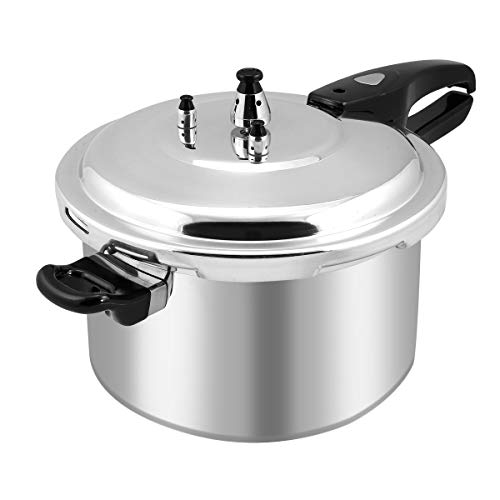
- All-Purpose cooking pot – safety pressure cooker is compatible with gas stoves and elect…
- Multiple safeguard pot – The aluminum pressure cooker features 8 safety features, acting…
- Versatile pressure canner – This canning pressure cookers can do it all! Steam, stew, br…

- The pressure cooker is designed to cook your meals up to 70% faster than traditional met…
- Ideal for preparing moderate-sized meals, offering efficiency in cooking beans, soups, c…
- Crafted from heavy-gauge aluminum alloy, this aluminum pressure cooker ensures rapid and…

- Large Capacity: 23 Liter/ 24 Quart for Large Family Gatherings, Holiday Cooking, Caterin…
- Lightweight Aluminum Construction is easy to handle and store. Heats up quickly and even…
- Versatility and efficiency with precision cooking. Pressure cooker is compatible with ga…