
Beginner-Friendly Pressure Cooker Recipes to Try Today
Pressure cookers are an excellent tool for beginners, allowing you to create flavorful meals in a fraction of the time compared to traditional cooking methods. With a variety of recipes available, even novice cooks can achieve spectacular results with minimal effort.
Whether you’re looking to whip up a hearty stew, tender meats, or quick weeknight dinners, pressure cooking can simplify the process. This guide will help you navigate the essential recipes and tools to get started on your culinary journey.
Disclosure: As an Amazon Associate I earn from qualifying purchases.
Why This Matters
Learning to use a pressure cooker can significantly enhance your cooking skills and efficiency. As a beginner, mastering this appliance opens up a world of quick and delicious meals that can fit into any busy lifestyle. By understanding the basics of pressure cooking, you can prepare nutritious dishes that save time and effort.
Moreover, pressure cookers are versatile, allowing you to experiment with various cuisines and cooking techniques. This adaptability makes them a valuable addition to any kitchen, encouraging creativity and confidence in cooking.
Key Benefits
Using a pressure cooker offers several advantages. First and foremost, it drastically reduces cooking time, making it perfect for busy individuals and families. Meals that typically take hours can be ready in under an hour, allowing you to enjoy home-cooked food without the long wait.
Additionally, pressure cooking retains nutrients better than other cooking methods, ensuring that your meals are healthy and flavorful. The sealed environment locks in moisture and flavors, resulting in tender and juicy dishes. This method is also energy-efficient, as it uses less electricity compared to traditional cooking methods.
Common Drawbacks & Limitations
While pressure cookers are incredibly useful, they do come with some limitations. One common concern is the learning curve associated with using a pressure cooker effectively. Beginners may find it challenging to understand the different settings and cooking times, leading to potential mistakes in meal preparation.
Another drawback is the limited volume of food you can cook at one time. Depending on the size of your pressure cooker, you may need to prepare meals in batches, which could be inconvenient for larger families or gatherings. Lastly, not all recipes are suitable for pressure cooking, so it’s essential to select recipes specifically designed for this method.
What to Look For (Buyer’s Checklist)
When selecting a pressure cooker, consider the following features:
– Size: Choose a capacity that fits your household needs, typically ranging from 6 to 8 quarts for most families.
– Material: Look for durable materials, such as stainless steel, which can withstand high pressure and heat.
– Safety features: Ensure your pressure cooker has safety mechanisms, such as a locking lid and pressure release valve.
– User-friendly controls: Opt for models with clear settings and easy-to-read displays to simplify the cooking process.
– Versatility: Some pressure cookers come with additional functions, such as slow cooking or sautéing, expanding your cooking options.
How to Choose for Your Situation
Your choice of pressure cooker may depend on your cooking habits and lifestyle. If you frequently prepare meals for a large family, a larger capacity model may be beneficial. Conversely, if you’re cooking for one or two people, a smaller cooker could suffice.
Consider whether you prefer a traditional stovetop model or an electric pressure cooker. Electric models often come with pre-set programs and are easier to use, while stovetop versions can achieve higher pressures and cook faster.
Additionally, think about the types of meals you want to prepare. If you’re interested in canning or making yogurt, look for models that offer these functions.
Care, Safety, and Longevity Tips
To ensure your pressure cooker lasts and operates safely, follow these care tips:
– Regularly inspect the sealing ring for wear and tear, replacing it as needed to maintain a proper seal.
– Clean the pressure release valve and ensure it is free of debris to prevent malfunctions.
– Always read the manufacturer’s instructions to familiarize yourself with the specific safety features and maintenance guidelines for your model.
– Avoid overfilling the cooker, as this can impede the pressure buildup and lead to uneven cooking or safety hazards.
– Store your pressure cooker in a dry place to prevent moisture buildup, which can lead to rust or other damage.
Recommended Picks
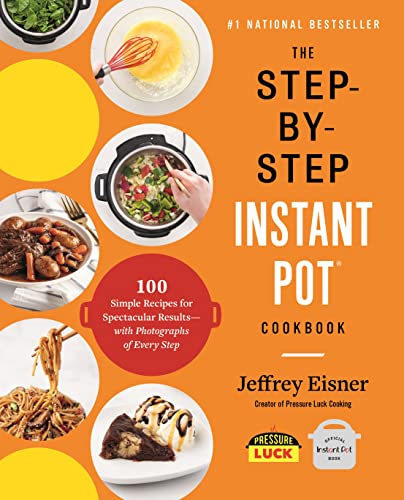
For beginners, several cookbooks can enhance your pressure cooking experience. “The Step-by-Step Instant Pot Cookbook” offers a collection of simple recipes alongside photographs that guide you through the cooking process. The “Pressure Cooker Cookbook for Beginners” focuses on maximizing your appliance’s potential with easy-to-follow meals.
If you are interested in canning, “The Complete Guide to Pressure Canning” provides essential knowledge on preserving food safely. For those looking for quick and easy meals, “Pressure Cooker for Beginners Quick and Easy Recipes Made Simple” features foolproof dishes that are perfect for effortless cooking. Lastly, “The Everyday Instant Pot Cookbook for Beginners” emphasizes wholesome and flavorful recipes tailored for busy families.
FAQ
1. Can I cook frozen food in a pressure cooker?
Yes, you can cook frozen food in a pressure cooker. Just be aware that it may take longer to reach pressure, so adjust the cooking time accordingly.
2. How do I know when the pressure cooker has reached the right pressure?
Most electric pressure cookers will indicate when they have reached the desired pressure with a signal or light. For stovetop models, you can usually tell by the steady release of steam.
3. Is it safe to open the pressure cooker while cooking?
No, it is not safe to open the pressure cooker while cooking. Always allow the pressure to release naturally or use the quick release method as per the manufacturer’s instructions.
4. Can I use my pressure cooker for canning?
Yes, many pressure cookers are suitable for canning, but ensure you follow specific guidelines and use a pressure canner designed for this purpose.
5. What types of meals can I make in a pressure cooker?
You can prepare a wide variety of meals, including stews, soups, meats, grains, and even desserts like cheesecake. Look for recipes that are specifically designed for pressure cooking.
Conclusion
Pressure cooking is an invaluable skill for beginners, providing a way to create delicious meals quickly and efficiently. By understanding the benefits and limitations of pressure cookers, you can select the right one for your needs and start experimenting with a range of recipes. With the right tools and knowledge, you’ll soon be mastering pressure cooking and enjoying the many flavors it has to offer.
Popular Picks to Compare


